Cost of Trip Hazard Repair
Trip hazard repair involves addressing uneven or damaged walking surfaces to improve safety and accessibility. Costs can vary depending on the extent of the damage, the materials used, and the specific site conditions. Typically, projects may include leveling, patching, or replacing sections of walkways or pathways.
Final pricing for trip hazard repair projects is influenced by factors such as the scope of work, material choices, labor requirements, and site-specific challenges. It is recommended to obtain detailed estimates from local providers to compare options and determine the most appropriate solution for individual needs.
Estimated Price Range
$1,200 - $2,800 (smaller scope)
$3,500 - $7,500 (larger scope)
| Project Type | Typical Range |
|---|---|
| Sidewalk Repair | $1,200 - $2,800 |
| Driveway Resurfacing | $3,500 - $7,500 |
| Parking Lot Repair | $5,000 - $15,000 |
| Walkway Replacement | $2,000 - $6,000 |
| Pool Deck Repair | $4,000 - $9,000 |
| Patio Resurfacing | $2,500 - $6,500 |

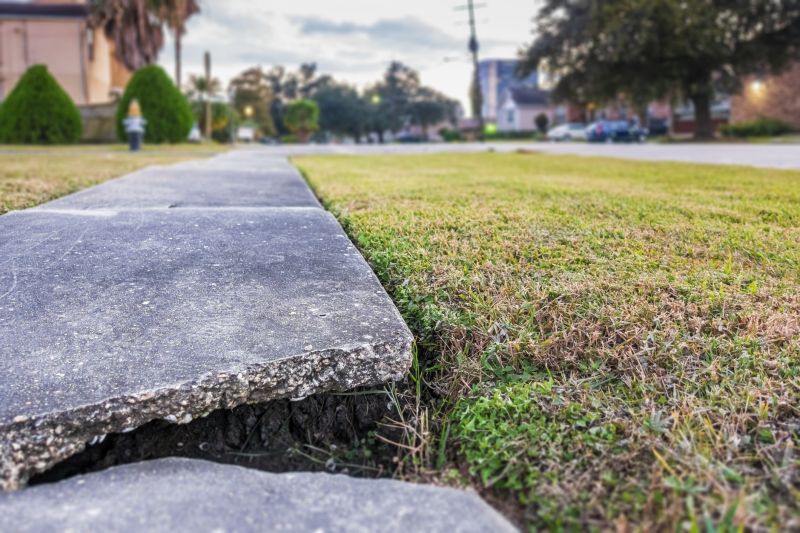
Factors Affecting Cost
Trip hazard repairs focus on addressing uneven or damaged surfaces that pose a risk of falls and injuries. These projects can vary in scope and complexity, depending on the location and extent of the hazard. Understanding typical considerations can help in planning and budgeting for such repairs.
- Materials: Common options include asphalt, concrete, or patching compounds, selected based on the existing surface and repair needs.
- Size and Scope: Repairs can range from small patches to extensive resurfacing, depending on the area affected.
- Labor Complexity: Simple patches may require minimal effort, while larger repairs involving removal and replacement can be more involved.
- Permitting: Some repairs, especially those involving significant changes to existing structures, may require permits or approvals from local authorities.
- Additional Considerations: Extra features such as signage, warning markings, or surface treatments might be included to enhance safety and longevity.
Project Size Details
| Scope/Size | Typical Range |
|---|---|
| Minor surface elevation | Less than 1 inch |
| Moderate trip hazard | 1 to 3 inches |
| Severe trip hazard | More than 3 inches |
| Area coverage | Small patches to large sections |
| Repair complexity | Simple to extensive |
Costs and scope may vary depending on the extent of the hazard and the repair method selected.